
Why Only Three Offerings Smelled Sweet to God
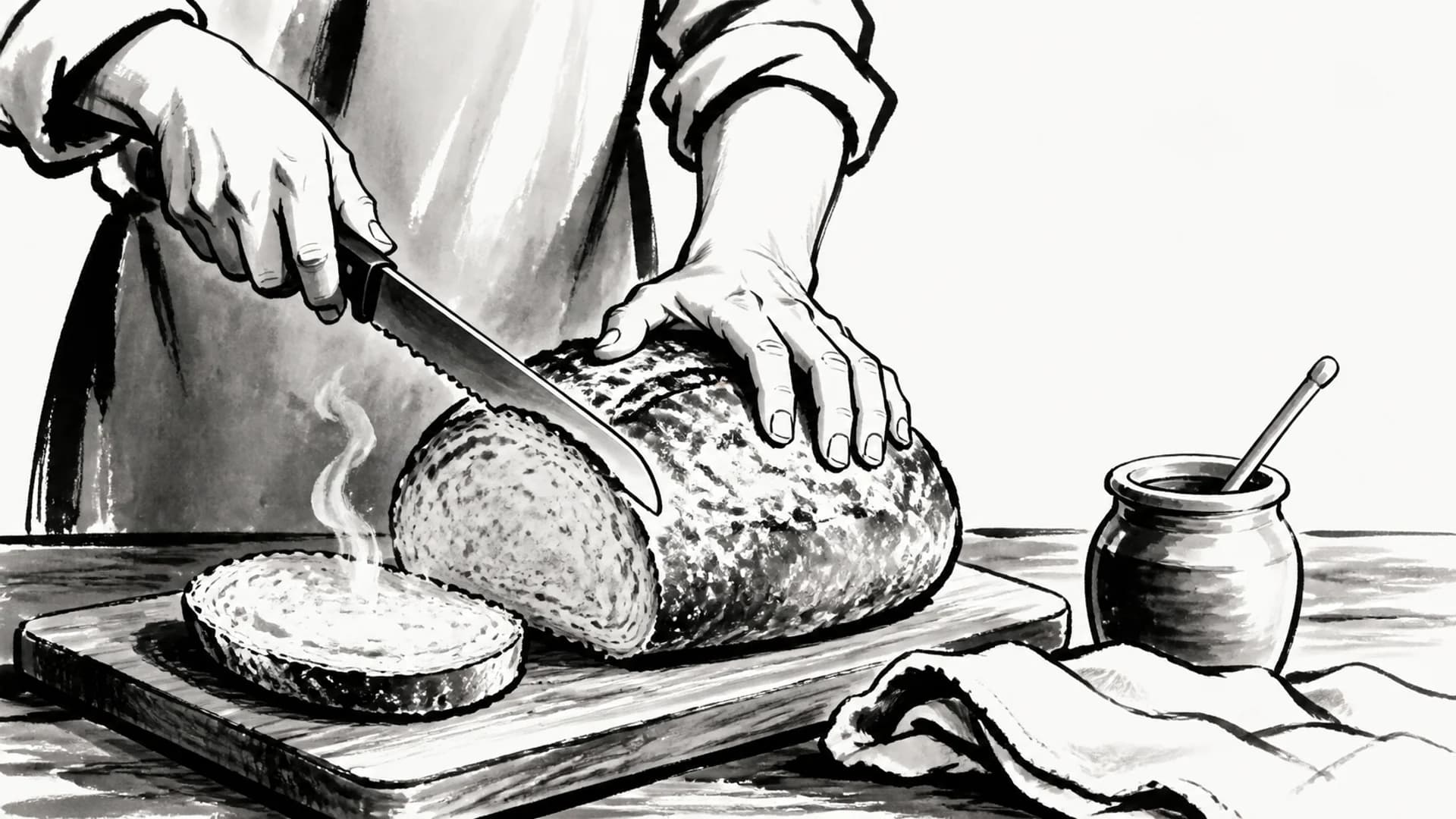
Leviticus opens with five offerings. Israel brought all five to the same altar, and the same fire consumed them. Yet God attaches the phrase "a sweet aroma" to only three.
The last two, the sin offering and the trespass offering, were compulsory. If you sinned, you had to bring them. The first three, the burnt offering, the grain offering, and the peace offering, were voluntary. No law required them. You brought them because you loved God and wanted to thank Him.
That difference explains the aroma. The compulsory offerings reminded God of our sin. The voluntary offerings reminded God of His Son.
Look at the sin offering. The phrase "sweet aroma" appears, but only for the fat, never for the offering as a whole:
Now look at the burnt offering. The whole animal receives the phrase:
The Hebrew name for the burnt offering is (olah) עֹלָה — "that which ascends." Everything went up to God. Nothing was held back. It is a picture of the deepest reason Jesus went to the cross. He did bear our sins there, but that was not His first motive. His first motive was to glorify His Father.
A father loves his children even when they do nothing for him. But when a child does something costly, purely out of love, the father feels a fresh delight in that moment. That is the burnt offering. That is what the Father saw at the cross.
The grain offering makes the point even sharper. Its name is (minkhah) מִנְחָה — "gift, grain offering." The priest burned a handful of it on the altar, and Scripture gives that handful a striking name:
The word translated "memorial" is (azkarah) אַזְכָּרָה — "memorial portion." It comes from the Hebrew root (zakhar) זָכַר — "to remember." The offering existed to bring something to remembrance before God.
The peace offering, the (shelamim) שְׁלָמִים — "peace offerings," adds one more picture. The priest took the breast of the lamb and lifted it before the Lord in the (tenufah) תְּנוּפָה — "wave offering." The breast is a picture of the love of Christ. The worshiper held up the love of Jesus before the Father's face and said, in effect, "Father, look at how Your Son loves You."
None of this stayed in the Old Testament. Hebrews 13 hands these offerings to us:
The phrase "such sacrifices" points back to the voluntary kind, the sweet-smelling kind: praise, good works, sharing, and giving. When you praise God, you remind the Father of His Son. When you give, and when you bring your tithe, the same aroma rises. Paul says this about a financial gift:
Keep the order clear. You are already accepted in Christ. Your offerings do not purchase acceptance; the cross settled that. But Scripture still says God is "well pleased" with such sacrifices. Acceptance is settled. The Father still delights in the gift.
So bring your offerings freely. Sing, give, share, and tithe, not because a law demands it but because every voluntary gift lifts Jesus before the Father one more time. The Father lives outside time. To Him, the cross is always fresh, and He never tires of that sight.
Worship does not remind God of what you owe. It reminds Him of the Son He loves.
Enjoyed this? Get a short devotional like this in your inbox every morning.