
Nobody Reads the Nutrition Label Over Dinner
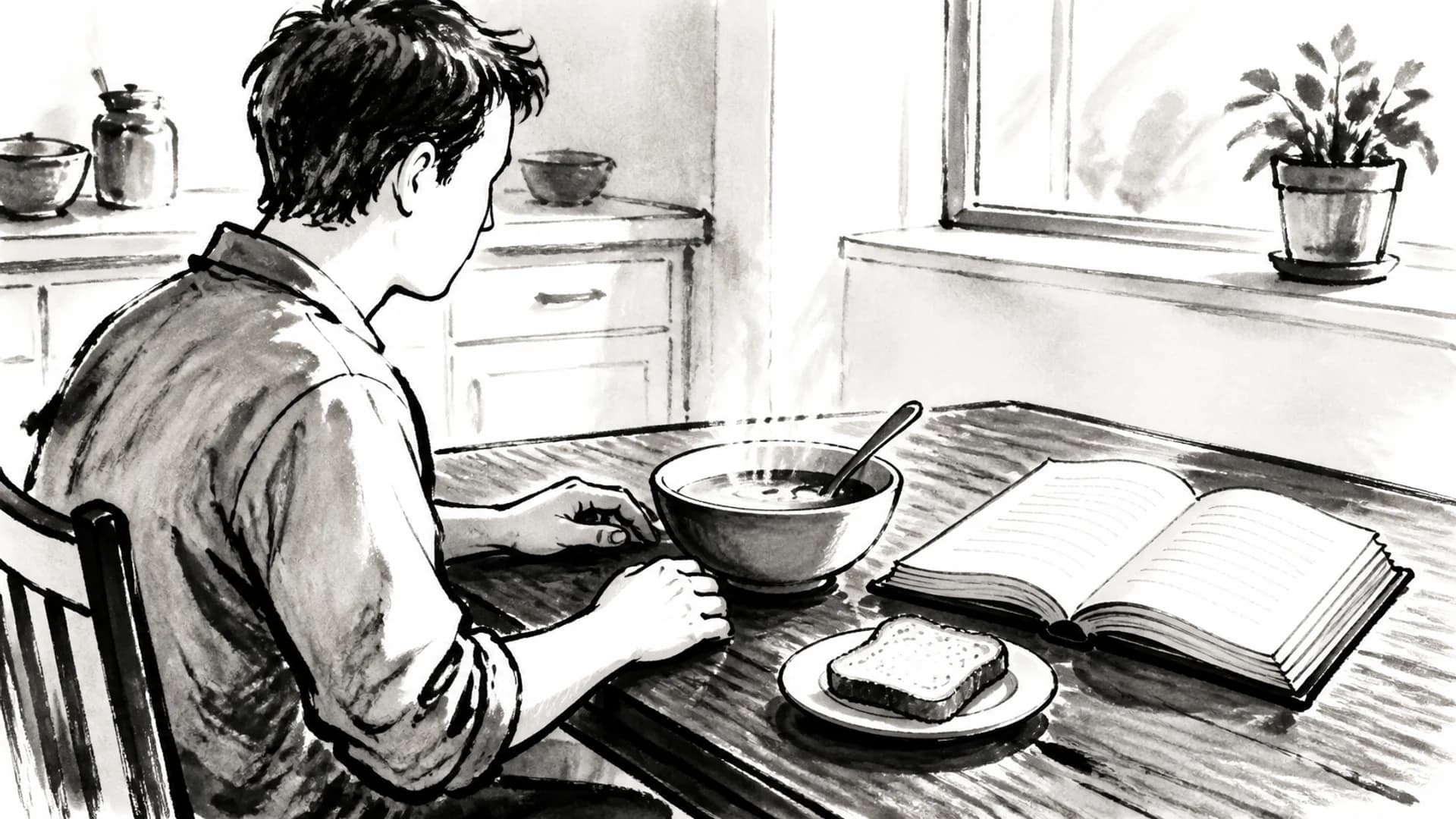
Think about what you ate for lunch today.
Now list the vitamins. Name the amino acid profile of the chicken.
You cannot, and it never once stopped you from eating. You sat down and enjoyed it, and your body handled the chemistry without asking your permission.
We abandon that sanity the moment we open a Bible.
Suddenly the meal cannot begin until every component is identified. What is the historical background. What did that word mean in the first century. And if we cannot answer, we close the book and file it under things we are not qualified for.
Understanding is what happens during digestion, not before it.
David gave the instruction in the order it works.
Taste first. Then see. He did not say study and then taste.
Peter said the same thing with an even simpler picture.
He describes the milk as (adolon) ἄδολον — "unadulterated, without deceit, unmixed." Nothing added and nothing taken out. And notice his model reader. An infant. An infant has no reference tools and no reading plan. He has an appetite, and he grows.
None of this argues against study. Word studies and commentaries are useful. Dig when you want to dig.
But do not make analysis the entry fee for the meal. A man who refuses to eat until he understands the meal will starve in a full kitchen.
So open it tomorrow the way you open the fridge when you are actually hungry. Look for something good. Take it and enjoy it.
The nourishment does not wait for your explanation.
You have been fed by food you could not explain your entire life. Scripture works the same way.
Enjoyed this? Get a short devotional like this in your inbox every morning.