
Do Not Divide the Law
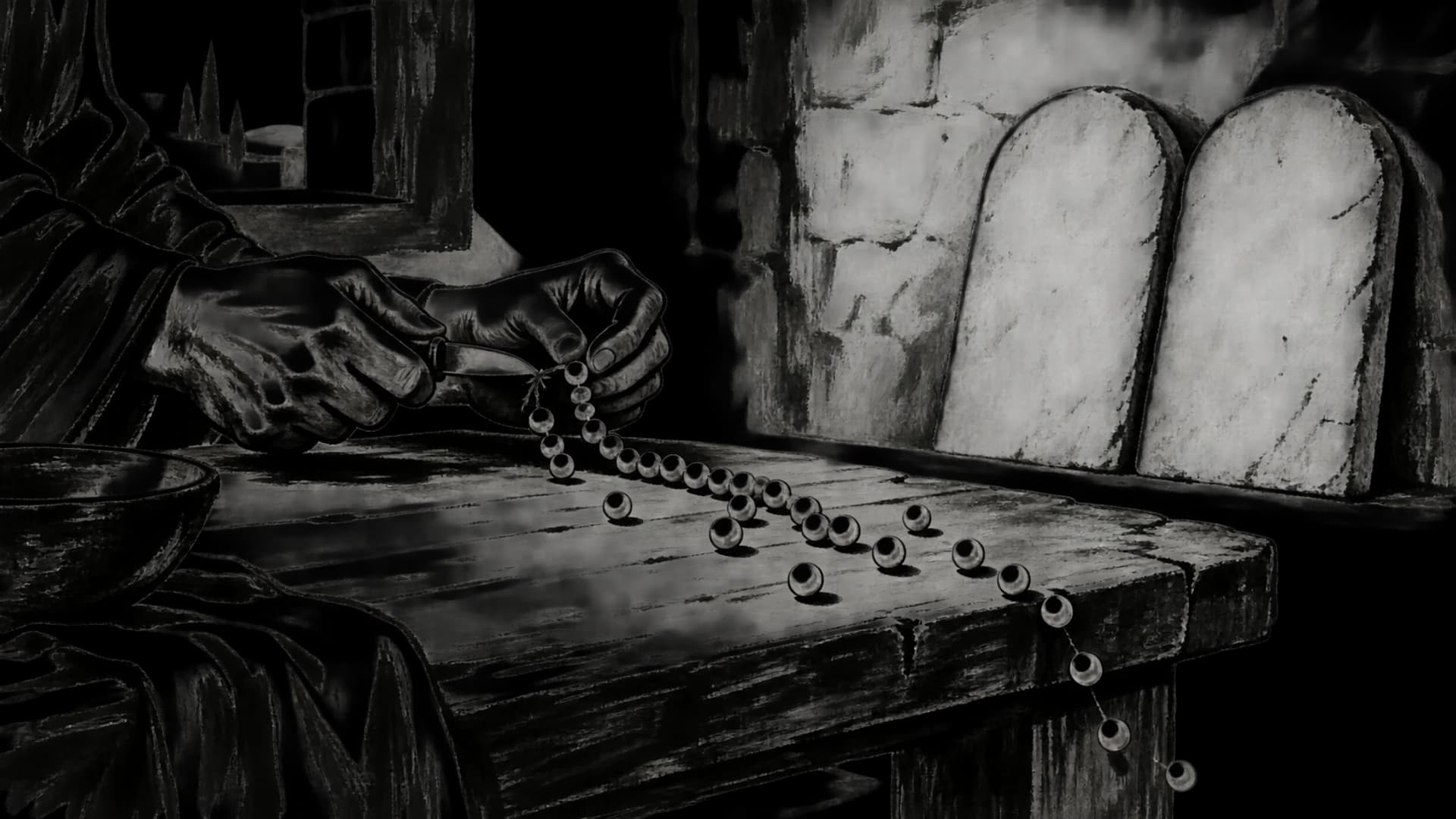
When a believer first hears that he is dead to the law, a familiar compromise shows up. It sounds like this: "Yes, dead to the ceremonial law. The lambs, the feasts, the priestly washings. But surely not the Ten Commandments."
It sounds careful. It is not what Paul wrote.
Teachers often split the law into categories for study: ceremonial, civil, moral. That is a classroom tool that helps a student sort the material. It is not how God counts the law.
Think of a string of pearls. Cut the string at one point and every pearl hits the floor. You do not lose one pearl. You lose the necklace. James says the law works the same way. Break one command and you stand guilty of every command. The word James uses for "guilty" is (enochos) ἔνοχος — "liable, held accountable." Stumble at one point and you are accountable for the whole.
God treats the law as one composite whole. He does not grade it in sections.
If the law is one whole, then dying to it means dying to all of it. Paul does not let us pick which parts.
Paul uses the phrase "the letter." The word is (gramma) γράμμα — "a written character, a written code." Paul does not describe altars or feast days. He describes something written down.
Then comes the verse that settles it. Context is king, and the very next sentence names the law Paul has in mind.
Which law said, "You shall not covet"?
That is the tenth commandment. Moses carried it down the mountain on stone. It has nothing to do with lambs or the calendar. The word translated "covetousness" is (epithymia) ἐπιθυμία — "desire, craving." Of all ten, Paul picks the one that governs the inside of a man, not his diet or his feast days.
So read the two verses together. In verse 6, Paul says we have been delivered from the law. In verse 7, he quotes the Ten Commandments to show which law he means. The context tells us we are dead to the Ten Commandments.
None of this insults the law.
The law is holy. The problem was never the law. The problem was us. A holy standard handed to people who cannot meet it produces guilt, not righteousness. God knew that before He gave it. He gave the law to expose sin, not to remove it.
Here is why the division matters in daily life. If you believe you died only to the feasts and sacrifices, you will keep the ten demands on your own shoulders. You will try to be justified by the very commandments Paul says you died to. And the command that forbids desire will do what Paul said it did in him. It will expose desire rather than produce obedience in the flesh.
Christ did not die to half a law on your behalf. His body went to the cross once, and your death to the law happened there, all of it, at the same time.
A law that cannot be broken in part cannot be died to in part.
Enjoyed this? Get a short devotional like this in your inbox every morning.