
The Best Days of the Church Are Not Behind You
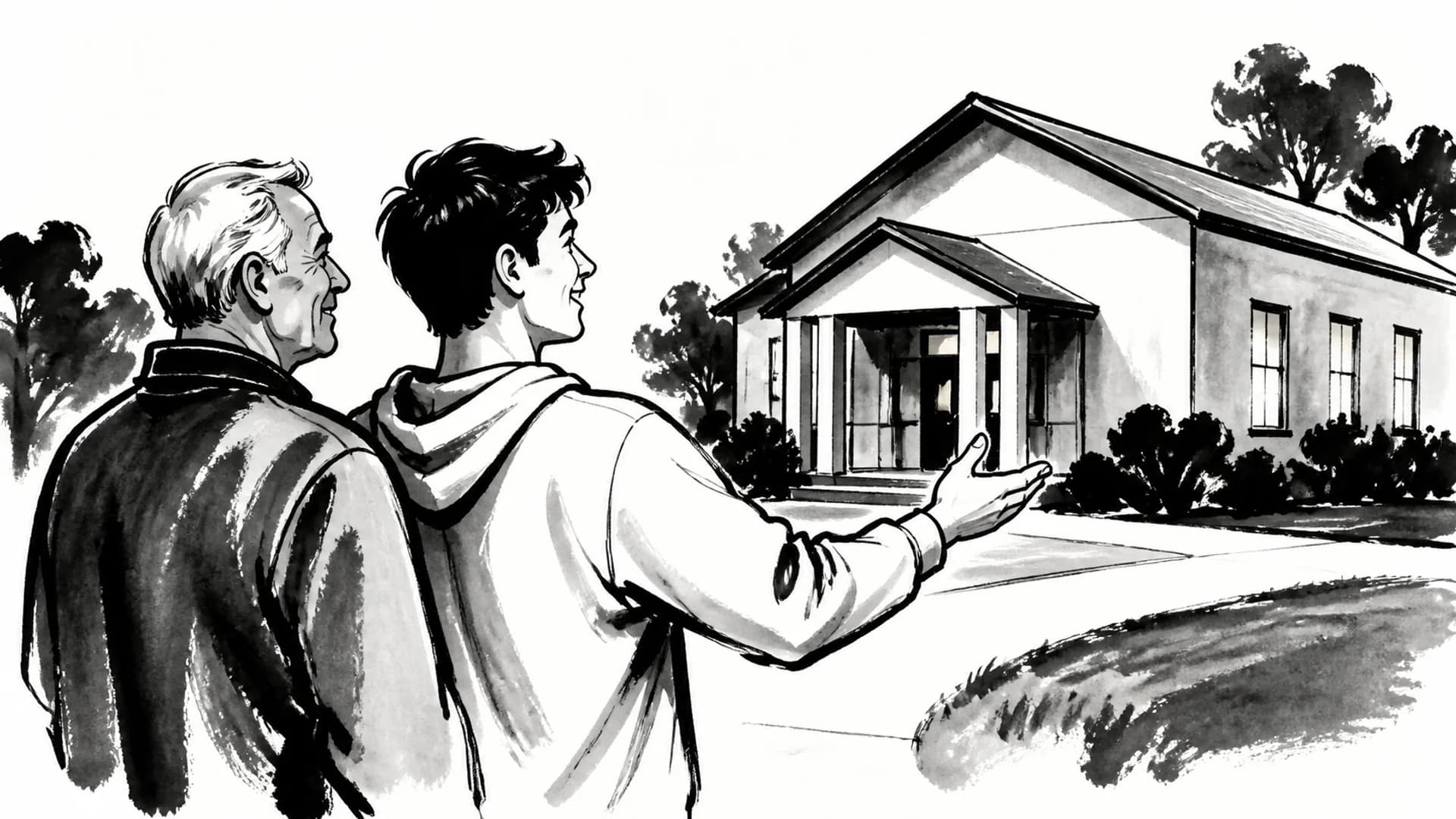
When the remnant returned from seventy years of Babylonian captivity, they rebuilt the house of God with limited resources. The elders remembered Solomon's temple, with its gold-covered walls and floors. This new house looked smaller and plainer, and the comparison broke their hearts.
Then God sent the prophet Haggai with one sentence that overturned their tears.
How could a plainer house hold greater glory? Because glory is not measured in gold. Jesus never walked in Solomon's temple. But this latter house, later expanded by King Herod, held the Son of God in person. He taught and healed in its courts. The poorer building carried the richer glory.
That is the first application. The second is for us.
Many believers read the book of Acts the way those elders looked at Solomon's temple. They see great grace and bold witness, and they conclude the church's finest hour sits in the past. Haggai's principle says otherwise. The latter house exceeds the former. The last-days church will not limp to the finish line worse off than the early church. It will be more glorious.
Consider what the former house had:
If that was the former glory, the latter must hold more grace, more power, and more testimony to the risen Christ, not less. We are that church. We are the eleventh-hour generation, the Benjamin generation. We are the church that will see the coming of the Lord. God does not plan a regression at the end of the story. He plans a crescendo.
So refuse nostalgia. The elders wept over a foundation that God intended to fill with glory. The right response is the response of the young men in Ezra's day: rejoice that there is a house at all, and trust the word spoken over it.
God did not put His greatest glory in the past. He put it in the house you belong to now.
Enjoyed this? Get a short devotional like this in your inbox every morning.