
Fruit to Death or Fruit to God
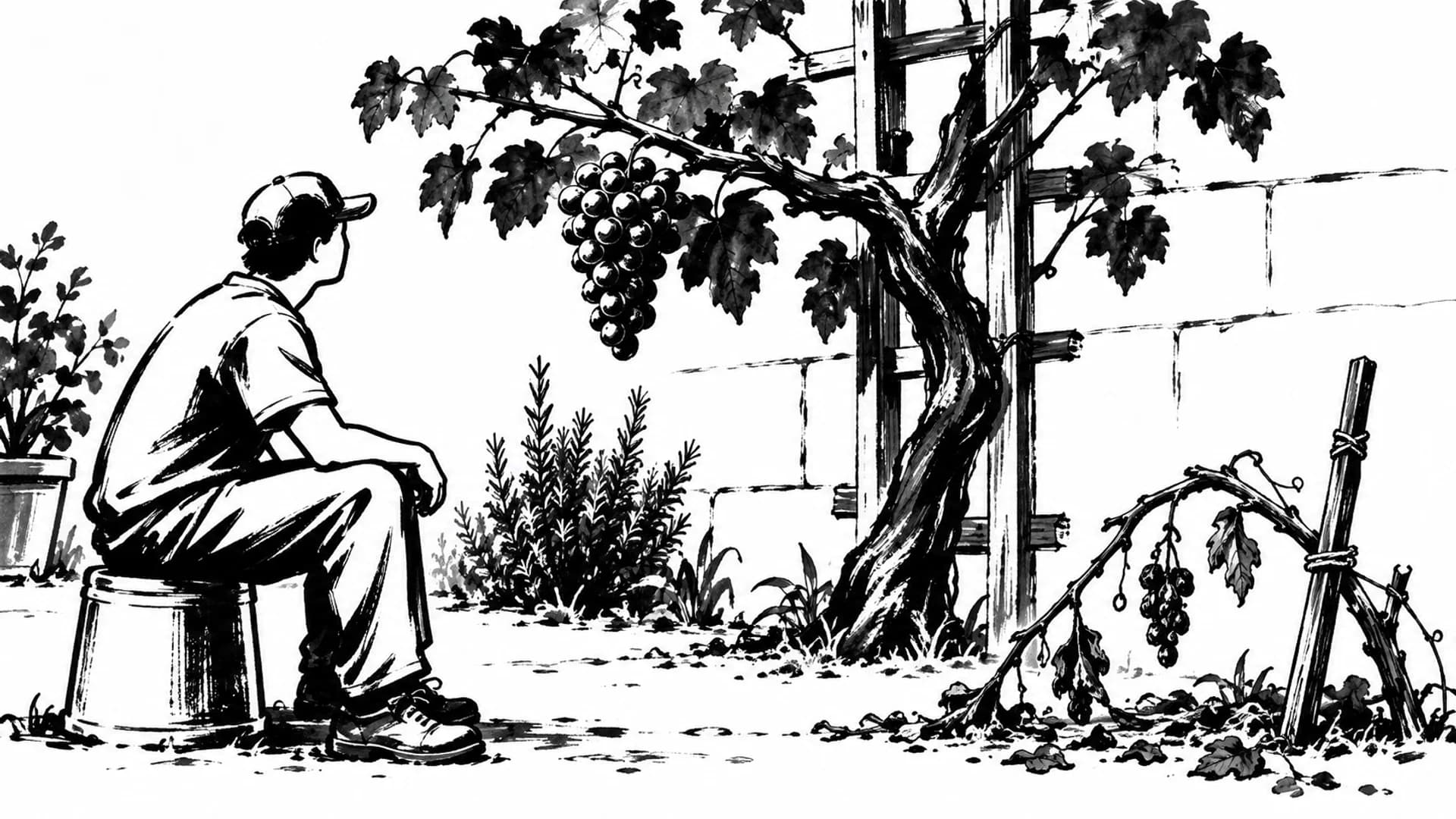
Nobody argues with a fig tree about its fruit. You look at the branch, you see what hangs there, and you know what kind of tree it is.
Paul uses the same test in Romans 7. He does not ask what you believe about the law. He asks what your life produces.
The passions were already in the flesh. The law did not create them. The law aroused them. And the result was fruit. Real fruit. But it was fruit to death.
Think of a sign on a fresh park bench: "Wet paint. Do not touch." The sign is correct. The paint is wet. But the moment you read it, your finger wants to test it. The sign did not put that desire in you. It exposed it and stirred it.
That is what a commandment does to the flesh. The word Paul uses for fruit is (karpos) καρπός — "fruit, produce." The law does produce something in us. It just cannot produce life.
Then Paul turns the page.
The order matters. First, death to the law through the body of Christ. Then union with a risen Man. Then fruit. Paul does not tell you to work harder to bear fruit for God. He tells you whose you are, and the fruit follows from the union.
The fruit is decided by the union, not by the effort.
Jesus said the same thing the night before He died:
A branch does not strain to produce grapes. It stays attached, and the sap of the vine does the work.
Look at what your religion produces in private, when nobody watches. Does your effort to keep the rules produce more secret failure and shame, more of the very thing you fought? That is the fruit Paul describes in verse 5. It is the fruit of the law at work on flesh.
Now look at what happens when you rest in Christ and take your standing in Him as settled. Love appears. Patience appears. You do not have to force them out. They grow.
Which would you like to have? Paul sets both in front of you. Under law, fruit to death. Under the risen Christ, fruit to God.
You do not choose your fruit. You choose your union, and the fruit follows.
Enjoyed this? Get a short devotional like this in your inbox every morning.