
Sonship and Servitude: Receiving an Inheritance
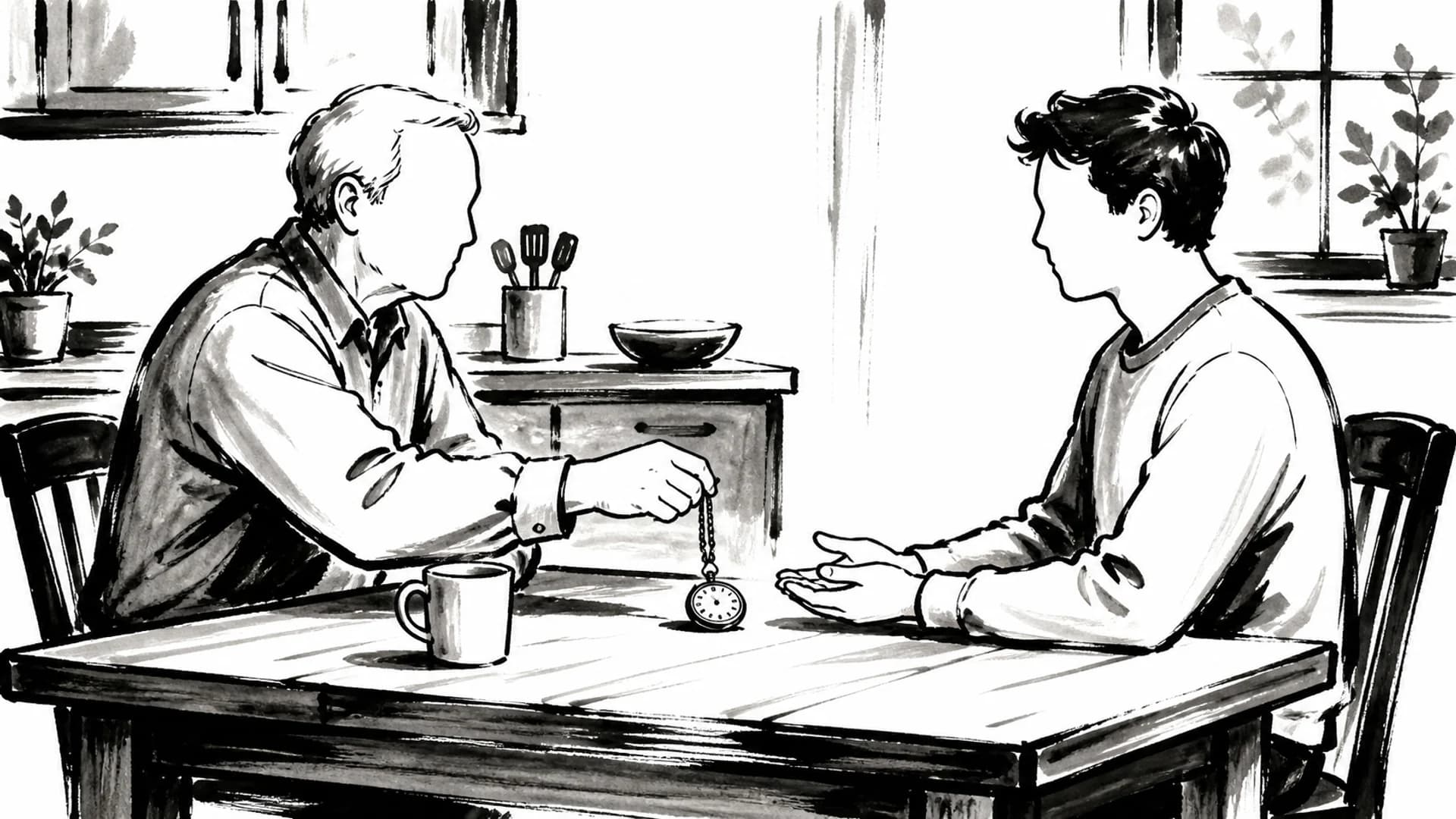
In King David's house, two men stood before him: Ziba, Saul's servant, and Mephibosheth, Jonathan's son. David spoke to each man differently.
To Ziba the servant, David gave instructions about working the land. He commanded Ziba, his sons, and his servants to work the land and bring in its produce.
To Mephibosheth the son, David gave no commands about labor. He declared that Saul's estate belonged to him.
The two speeches differ. To the servant, the king gives commands to labor. To the son, the king announces gifts already granted.
Paul says believers are no longer (doulos) δοῦλος — "a bondservant" but (huios) υἱός — "a mature son and heir".
A servant measures life by effort and output. If a servant stops working, his compensation ends. A son measures life by relationship and inheritance. A son receives what his father built.
Many believers approach God with a servant mindset. They treat prayer and Scripture reading as labor required to earn God's blessings. They attend church as though they must earn favor. Under grace, believers begin with what Jesus secured rather than laboring to earn favor. They live from an inheritance already settled by Jesus.
Servants work to earn wages, but sons rest in an unearned inheritance.
Enjoyed this? Get a short devotional like this in your inbox every morning.